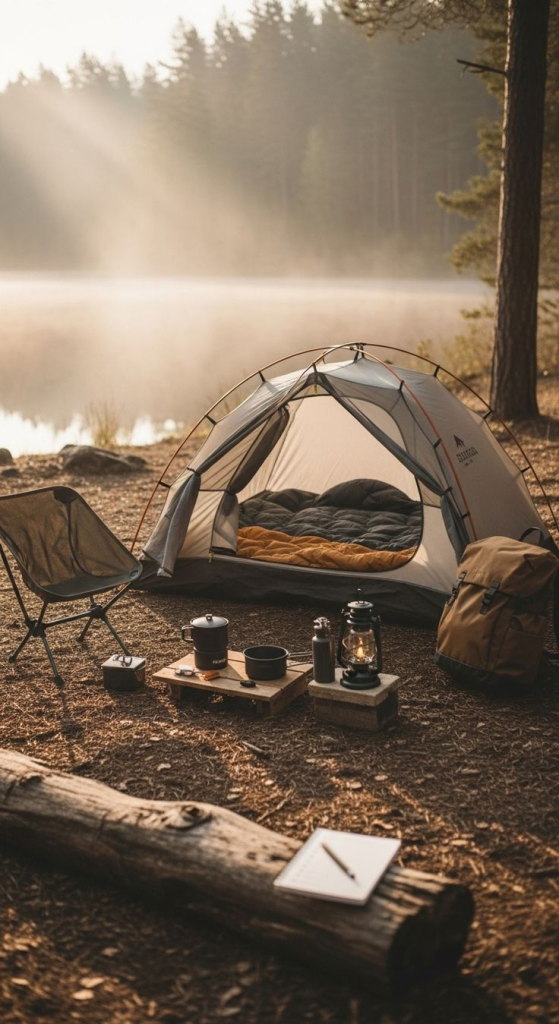
Camping is an exciting adventure that allows you to connect with nature and escape the hustle and bustle of everyday life. However, if you’re a beginner camper, figuring out what essential camping gear you need can be overwhelming. With so many options available, it’s crucial to focus on the basics that will ensure a safe and enjoyable experience. In this guide, we’ll break down the essential camping gear every beginner needs, helping you embark on your outdoor journey with confidence.
The Importance of Essential Camping Gear
Having the right gear is vital for a successful camping trip. The right equipment can not only enhance your comfort but also protect your safety in the wilderness. Think about it: you wouldn’t go on a long road trip without checking your car’s oil or packing snacks, right? The same principle applies to camping. Proper gear ensures you are prepared for various situations, whether it’s a sudden rainstorm or a chilly night under the stars.
Understanding Your Camping Style
Before diving into the essentials, it’s important to consider your camping style. Are you heading to a developed campsite with amenities, or are you planning a backcountry adventure? Your choice will influence the type of gear you need. For instance, car camping allows for more equipment, while backpacking requires lighter, more compact items. Understanding your needs will help you make informed decisions when selecting your gear.
Shelter: Your Home Away from Home
One of the most critical pieces of camping gear is your shelter. A good tent will protect you from the elements and provide a comfortable sleeping space.
Choosing the Right Tent
For beginners, a three-season tent is usually the best option. These tents are designed to withstand various weather conditions, from light rain to moderate snow. When selecting a tent, consider size, weight, and ease of setup. A two-person tent is a good starting point for solo campers or couples, while families may want a larger model. Look for tents that are easy to pitch, ideally with color-coded poles or a simple pop-up design.
Sleeping Comfort
Once you have your tent, you’ll need a comfortable sleeping setup. A sleeping bag rated for the temperatures you expect is essential. For most beginner campers, a three-season sleeping bag will suffice. Make sure to check the temperature rating to ensure it will keep you warm on chilly nights.
A sleeping pad is another essential item. It provides insulation from the cold ground and adds cushioning for a more comfortable night’s sleep. There are several options available, including self-inflating pads and air mattresses. Choose one that fits your comfort preferences and is suitable for your camping style.
Cooking Gear: Fueling Your Adventure
After a night of restful sleep, you’ll need to refuel for the day ahead. Cooking gear is essential for preparing meals in the great outdoors.
Portable Cooking Equipment
A portable camp stove is a must-have for beginner campers. Look for a lightweight model that is easy to use and transport. Many stoves run on propane or butane, making them convenient for cooking various meals. If you plan to cook over an open fire, ensure you have the necessary equipment, such as a grill grate or a Dutch oven.
Cookware Essentials
Invest in a basic cookware set that includes pots, pans, and utensils. Non-stick cookware is ideal for easy cleaning, while a durable set will withstand the rigors of camping. Don’t forget to include a cutting board, a multi-tool or knife, and a set of dishes and utensils for serving and eating.
Food Storage Solutions
Keeping your food fresh is crucial while camping. A cooler is an excellent investment, especially for car camping. Look for a model with good insulation to keep your perishables fresh for days. For backpacking trips, consider using lightweight, resealable bags or containers for dry goods.
Hydration: Staying Refreshed
Water is essential for any outdoor adventure, so ensuring you have reliable hydration solutions is key.
Water Bottles and Hydration Systems
Invest in a high-quality water bottle or hydration system. A durable, insulated water bottle will keep your drinks cool, while a hydration bladder allows for easy sipping while on the move. Make sure to carry enough water for your trip duration, especially if you’ll be in remote areas.
Water Purification
If you plan to camp near natural water sources, consider bringing a water purification system. Water filters or purification tablets can ensure you have access to safe drinking water, allowing you to refill your bottles from streams or lakes.
Clothing: Dressing for the Outdoors
The right clothing can make a significant difference in your comfort level while camping. Understanding how to layer effectively is crucial.
Layering Basics
Start with moisture-wicking base layers that help keep sweat away from your skin. This is especially important if you plan on hiking or engaging in physical activity.
Next, add an insulating mid-layer, such as a fleece or down jacket, to trap warmth during cooler evenings. Finally, a waterproof and breathable outer layer will protect you from rain and wind. Look for jackets with ventilation features for added comfort.
Footwear Essentials
Comfortable, supportive footwear is a must for any camping trip. Hiking boots or shoes should provide good traction and support, especially if you plan to explore trails. Break in your footwear before your trip to avoid blisters on the trail. Don’t forget to pack extra pairs of socks to keep your feet dry.
Accessories for Comfort
Accessories like hats, gloves, and scarves can enhance your comfort in various weather conditions. A wide-brimmed hat will protect you from the sun, while gloves and a beanie are essential for chilly nights. Sunglasses can shield your eyes from UV rays while adding a stylish touch.
Safety Gear: Prioritizing Your Well-Being
Safety should always be a top priority when camping. Being prepared for emergencies can make all the difference.
First Aid Kit
A well-stocked first aid kit is essential for any camping trip. Include items like adhesive bandages, antiseptic wipes, gauze, and pain relievers. Tailor your kit to your specific needs, especially if you have any pre-existing conditions or allergies.
Navigation Tools
When venturing into the wilderness, navigation tools are crucial. A detailed map of the area and a compass are essential for backcountry camping. If you plan to use a GPS device, ensure it has offline capabilities, as cell service may be limited in remote areas.
Emergency Gear
Packing emergency gear can provide peace of mind during your adventure. A multi-tool or knife can be invaluable for various tasks. A whistle can help signal for help if you get lost, while a flashlight or headlamp is essential for navigating at night. Don’t forget extra batteries for your lights.
Entertainment and Comfort: Enhancing Your Experience
Camping is not just about survival; it’s also about enjoyment. Bringing along entertainment can enhance your overall experience.
Comfortable Seating
Invest in a portable camping chair for relaxing around the campfire. A good chair should be lightweight, easy to carry, and comfortable. If you prefer, consider bringing a hammock for lounging between trees.
Games and Activities
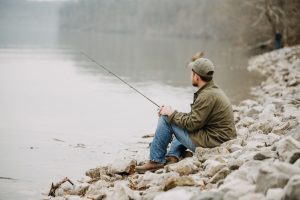
Packing games, books, or cards can provide entertainment during downtime. Engage in outdoor activities like hiking, fishing, or birdwatching to make the most of your camping experience. Cooking over the campfire can also be a fun activity, so bring along s’mores ingredients for a classic camping treat.
Expert Tips for Beginners
As a beginner camper, it’s helpful to keep a few expert tips in mind to ensure a smooth experience.
Research Your Destination
Before heading out, research your camping destination. Familiarize yourself with the area, local wildlife, and regulations. Knowing what to expect can help you prepare adequately and avoid surprises.
Practice Setting Up Your Gear
Before your trip, practice setting up your tent and using your cooking equipment. Familiarizing yourself with your gear will build your confidence and make for a smoother experience at the campsite.
Stay Flexible
While preparation is key, it’s essential to stay flexible. Weather conditions can change unexpectedly, so be ready to adapt your plans and gear as needed.
Connect with Other Campers
Engaging with fellow campers can provide valuable insights and tips. Don’t hesitate to ask for advice or share experiences with others at the campsite. You may learn new techniques or discover hidden gems in the area.
Conclusion: Embrace the Adventure of Camping
Camping is an exciting way to immerse yourself in nature and create lasting memories. By understanding the essential camping gear you need as a beginner, you can set yourself up for a successful adventure. From shelter and cooking gear to safety equipment and clothing, being well-prepared is the key to enjoying the great outdoors. So gather your gear, embrace the journey, and let the beauty of nature inspire you.
FAQs
What essential camping gear do beginners need?
Beginners need a tent, sleeping bag, sleeping pad, portable stove, cookware, and a first aid kit. Comfortable clothing and sturdy footwear are also crucial for an enjoyable camping experience.
How can I stay safe while camping?
To stay safe while camping, bring a first aid kit, navigation tools, and emergency gear. Familiarize yourself with the area and local wildlife, and always let someone know your plans.
What should I consider when choosing a camping destination?
Consider factors like accessibility, available amenities, local regulations, and weather conditions when choosing a camping destination. Researching the area will help you prepare adequately for your trip.