
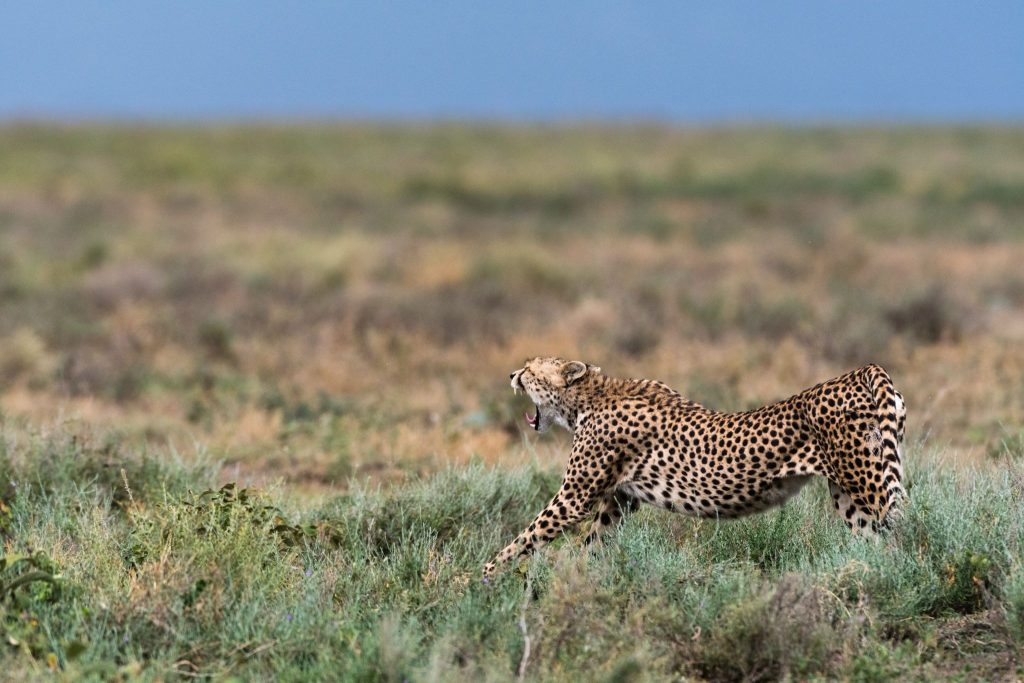
In the grand tapestry of life on Earth, animals are remarkable survivors. They possess a unique ability to adapt their behavior in response to the myriad challenges presented by their environments. From the icy tundras of the Arctic to the scorching deserts of the Sahara, each habitat presents a distinct set of challenges that test the limits of survival. Understanding how animals adapt their behaviors provides profound insights into the intricate relationship between organisms and their habitats. Let’s delve into the fascinating world of animal survival adaptations.
The Essence of Adaptation
Adaptation is a fundamental concept in biology, referring to the process through which organisms evolve traits that enhance their chances of survival and reproduction in specific environments. These adaptations can be structural, physiological, or behavioral. While structural adaptations involve physical changes, such as the thick fur of polar bears, behavioral adaptations encompass the ways animals modify their actions in response to environmental pressures.
Behavioral Adaptations Defined
Behavioral adaptations are the learned or instinctual actions taken by animals to survive in their surroundings. These modifications can include changes in feeding habits, mating rituals, migration patterns, and social interactions. For instance, certain bird species may alter their nesting behaviors based on the availability of resources or the presence of predators.
Adapting to Climate: The Polar Bear’s Survival
Polar bears are a prime example of how animals adapt their behavior to thrive in extreme habitats. Living in the Arctic, these majestic creatures face bitter cold and shifting ice conditions. To survive, polar bears exhibit several behavioral adaptations.
Hunting Techniques
Polar bears primarily hunt seals, which are often found resting on sea ice. During the hunting season, these bears rely on a technique called “still hunting.” They will patiently wait by seal breathing holes, showcasing their incredible ability to remain motionless for extended periods. This strategy conserves energy and increases their chances of a successful hunt.
Social Behavior
Interestingly, polar bears are generally solitary animals; however, they will gather in small groups during the breeding season or when food sources are abundant. This social behavior allows them to increase their chances of reproduction and survival in harsh conditions.
The Desert Survivor: The Fennec Fox
In stark contrast to the icy realms of the Arctic, the Sahara Desert presents a unique set of challenges that require different survival strategies. Enter the fennec fox, a small desert-dwelling canid known for its distinctive large ears and nocturnal habits.
Nocturnal Lifestyle
The fennec fox has adapted to the extreme temperatures of the desert by becoming nocturnal. By hunting and foraging at night, these foxes avoid the scorching heat of the day. This behavioral adaptation not only helps them regulate their body temperature but also allows them to exploit food resources that are less available during the sweltering daytime hours.
Burrowing Behavior
Fennec foxes also construct elaborate burrows to escape the heat and store food. These burrows provide a cool refuge where they can rest during the hottest parts of the day. This behavior illustrates the adaptability of the species to its environment, ensuring that it can thrive despite the harsh conditions.
The Art of Migration: Monarch Butterflies
Migration is another fascinating behavioral adaptation seen in various animal species. The monarch butterfly, with its incredible journey spanning thousands of miles, is a quintessential example of this survival strategy.
Long-Distance Travel
Every year, millions of monarch butterflies embark on a remarkable migration from North America to central Mexico. This journey can cover up to 3,000 miles and is motivated by the search for food and suitable breeding grounds. Their ability to navigate using environmental cues, such as the position of the sun and the Earth’s magnetic field, showcases their remarkable adaptation to survive seasonal changes.
Reproductive Timing
During migration, monarchs time their reproductive cycles to coincide with the blooming of milkweed plants, their primary food source for caterpillars. This synchronization ensures that their offspring have access to adequate nutrition, further enhancing their survival chances.
Camouflage: The Chameleon’s Mastery
Camouflage is a well-known behavioral adaptation that allows animals to blend into their surroundings, thus avoiding predators and increasing hunting success. Chameleons are perhaps the most iconic example of this adaptation.
Color Changing
Chameleons possess specialized cells in their skin that allow them to change color. This ability serves multiple purposes: it helps them regulate body temperature, communicate with other chameleons, and evade predators. By blending seamlessly into their environment, chameleons can remain undetected while hunting insects or escaping threats.
Environmental Interaction
Interestingly, chameleons do not change color solely for camouflage. Their color changes also reflect their emotional state. For instance, a chameleon may display brighter colors when excited or threatened, providing insight into their social interactions and behavioral adaptations.
Social Structures: The African Elephant
Social behavior is a critical aspect of survival for many animal species, and the African elephant exemplifies this beautifully. These majestic creatures form complex social structures that are vital for their survival in the wild.
Matriarchal Groups
Elephants live in family groups led by a matriarch, typically the oldest and most experienced female. This social structure is crucial for the survival of the herd, as the matriarch’s knowledge of food and water sources, as well as migration routes, ensures the group’s well-being. The bonds between family members are strong, and they often work together to protect the young and vulnerable.
Communication and Cooperation
African elephants communicate using a range of vocalizations and body language. They can convey information about threats, food sources, and social interactions through low-frequency rumbles that can be heard over long distances. This complex communication system facilitates cooperation and enhances the survival of the herd.
The Role of Learning: The New Caledonian Crow
Intelligence and learning play significant roles in animal survival adaptations. The New Caledonian crow is an excellent example of a species that demonstrates problem-solving abilities and tool use.
Tool Use for Foraging
These crows have been observed using sticks and leaves to extract insects from tree bark. Their ability to fashion tools showcases their cognitive skills and adaptability. By learning to manipulate their environment, New Caledonian crows can access food sources that would otherwise be out of reach.
Social Learning
Furthermore, these crows engage in social learning, where younger individuals observe and mimic the behaviors of older, more experienced crows. This transfer of knowledge enhances their survival rates as they learn effective foraging techniques and environmental interactions.
Conclusion: The Marvel of Adaptation
The diverse adaptations exhibited by animals around the world highlight the intricate relationship between behavior and survival. From the polar bear’s hunting techniques to the fennec fox’s nocturnal habits, these adaptations are essential for thriving in specific habitats. Understanding animal survival adaptations offers us valuable insights into the resilience of life on Earth and the ongoing struggle for survival in a constantly changing environment.
As we face global challenges such as climate change and habitat loss, recognizing the importance of these adaptations can inspire conservation efforts. By protecting natural habitats and promoting biodiversity, we can ensure that these incredible survival strategies continue to flourish for generations to come.
FAQs
What are some examples of animal survival adaptations?
Examples include polar bears’ thick fur for insulation, fennec foxes’ nocturnal behavior to avoid heat, and monarch butterflies’ long-distance migration for breeding.
How do animals learn and adapt their behavior?
Animals learn through observation and experience, allowing them to modify their behavior in response to environmental changes, improving their chances of survival.
Why is understanding animal adaptations important?
Understanding animal adaptations helps us appreciate biodiversity and informs conservation efforts to protect species and their habitats from environmental threats.